Safe and Effective Mold Remediation Strategies for Peachtree Corners
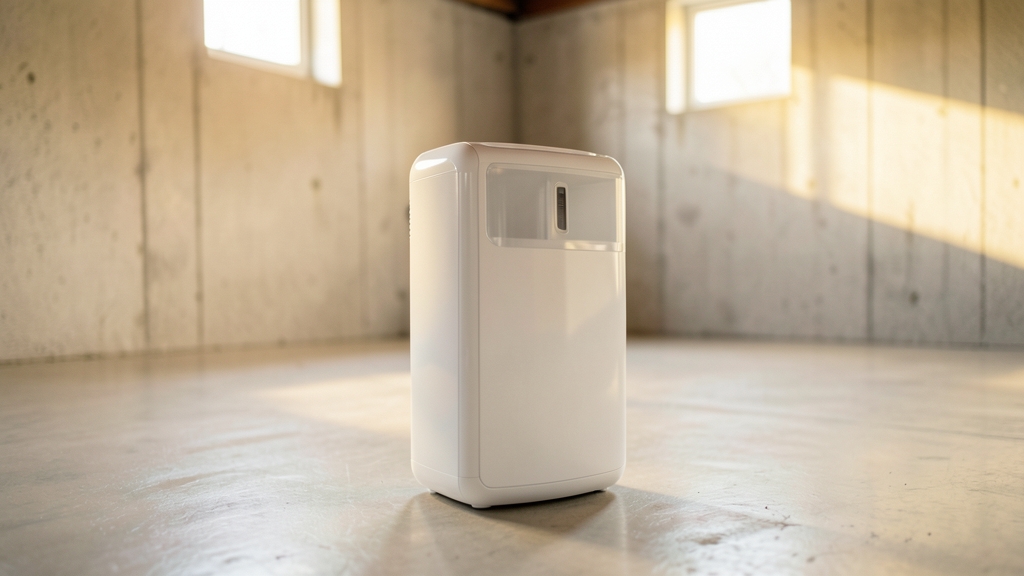
Mold thrives in our humid Georgia climate, and Peachtree Corners homes are no exception. Left unchecked, it can compromise indoor air quality and structural integrity. We’ve spent years refining safe, effective remediation strategies tailored to local conditions.
Why Mold is a Persistent Problem in Our Area
Peachtree Corners’ warm, humid summers and mild winters create ideal conditions for mold growth. Poor ventilation, water intrusion, or high humidity can trigger outbreaks in attics, crawl spaces, and basements.
Nearby areas like Norcross and Berkeley Lake face similar challenges, especially after heavy rains or flooding. Mold spores are everywhere—indoors and out—but they only become a problem when moisture and organic materials combine.
Signs You Need Professional Mold Remediation
Visible mold growth is the most obvious sign, but musty odors, water stains, or peeling paint can also indicate hidden infestations. Allergic reactions—sneezing, itching, or respiratory issues—may signal poor indoor air quality.
In commercial spaces, especially in Duluth or Johns Creek, mold can spread quickly through HVAC systems. If you notice any of these signs, a thorough mold inspection and air quality testing are critical first steps.
Common Mold Warning Signs
- Visible black, green, or white growth on walls or ceilings
- Persistent musty or earthy odors
- Water damage or staining on drywall, wood, or insulation
- Unexplained allergic symptoms among occupants
- Warped or bubbling flooring or wallpaper
The Science Behind Safe Mold Removal
Effective remediation isn’t just about scrubbing surfaces. We use HEPA filtration, negative air pressure, and containment barriers to prevent spores from spreading during removal. Antimicrobial treatments ensure mold doesn’t return.
For severe cases, especially in crawl spaces or attics, encapsulation may be necessary to seal off treated areas. Moisture control is non-negotiable—without addressing the source, mold will recur.
Disturbing mold without proper containment can release spores into the air, worsening contamination. Always consult professionals for mold removal, especially in large or hidden infestations.
Mold Remediation vs. DIY Cleanup: What’s the Difference?
Small, surface-level mold (under 10 sq. ft.) on non-porous materials like tile or glass can sometimes be handled with proper precautions. But porous materials—drywall, carpet, or insulation—often require removal.
Professional remediation includes moisture mapping, air scrubbing, and post-remediation verification. This ensures the problem is fully resolved, not just masked.
| Factor | DIY Cleanup | Professional Remediation |
|---|---|---|
| Scope | Small, surface-level mold | Large or hidden infestations |
| Safety | Limited containment; risk of spore spread | Full containment, HEPA filtration, PPE |
| Moisture Control | Often overlooked | Addressed with dehumidifiers, repairs |
| Long-Term Prevention | Temporary fix | Antimicrobial treatments, encapsulation, verification |
| Porous Materials | Ineffective (mold roots remain) | Removal and replacement as needed |
Critical Steps in the Remediation Process
Every project starts with a detailed mold inspection and moisture assessment. We identify the type of mold, the extent of the infestation, and the moisture source fueling its growth.
Containment is set up next, isolating the affected area to prevent cross-contamination. Air scrubbers with HEPA filters run continuously during removal to capture airborne spores.
Local Challenges: Crawl Spaces, Attics, and Basements
Peachtree Corners homes often have crawl spaces prone to high humidity and poor airflow. Without vapor barriers or proper ventilation, these areas become mold hotspots.
Attics are another common problem, especially with roof leaks or inadequate insulation. In basements, water intrusion from poor grading or cracked foundations can lead to chronic mold issues.
Regularly inspect crawl spaces, attics, and basements for moisture. Use dehumidifiers in high-humidity areas and ensure proper drainage around your home’s foundation.
How Long Does Mold Remediation Take?
Timelines vary based on the size of the infestation, the materials affected, and the moisture source. Small, contained projects may take 1-3 days, while extensive remediation in large homes or commercial buildings can take a week or more.
Drying time after water damage also factors in. Rushing the process risks incomplete removal or recurrence.
Preventing Mold Recurrence in Peachtree Corners
Mold prevention starts with moisture control. Fix leaks promptly, maintain indoor humidity below 60%, and ensure proper ventilation in bathrooms, kitchens, and laundry rooms.
Regular mold inspections and air quality testing can catch problems early. For homes in flood-prone areas near Berkeley Lake or Duluth, consider sump pumps or improved grading.
How to Prepare for Professional Mold Remediation
Taking these steps ensures a smoother, more effective remediation process.
- 1Clear the Area
Remove furniture, personal items, and pets from the affected space. This allows full access and reduces contamination risks.
- 2Turn Off HVAC Systems
Prevent spores from spreading through ductwork by shutting down heating or cooling systems.
- 3Identify Moisture Sources
Note any leaks, condensation, or water damage. Share this information with the remediation team to address the root cause.
- 4Seal Off the Space
Avoid entering the area once containment is set up. Disturbing the space can compromise the remediation process.
- 5Plan for Temporary Relocation
For large infestations, especially in living areas, consider staying elsewhere during remediation for health and safety.
Frequently Asked Questions
Is black mold more dangerous than other types in Peachtree Corners homes?
Stachybotrys (black mold) can produce mycotoxins, but all mold types can pose health risks if left unchecked. The key is addressing any mold growth promptly, regardless of color. Our team tests to identify the specific type and tailors remediation accordingly.
Can mold return after remediation?
Yes, if the moisture source isn’t fully resolved. That’s why we emphasize moisture control and post-remediation verification. Without fixing leaks, humidity, or ventilation issues, mold can recur within months.
Do I need to test for mold if I can see it?
Visible mold confirms a problem, but testing helps determine the type and extent of contamination, especially in hidden areas like inside walls or ductwork. Air quality testing also checks for spores not visible to the naked eye.
How does mold remediation differ for commercial properties in Johns Creek or Duluth?
Commercial buildings often have larger HVAC systems, more occupants, and complex layouts, requiring scaled-up containment and air filtration. We also coordinate with business owners to minimize disruptions to operations.
What’s a way to prevent mold in my crawl space?
Install a vapor barrier to block ground moisture, ensure proper ventilation, and use a dehumidifier if needed. Regular inspections for leaks or standing water are also critical, especially in our humid climate.
How do I know if my mold problem requires professional help?
If the mold covers more than 10 square feet, is in your HVAC system, or keeps returning after cleaning, it’s time to call professionals. Also, if anyone in your household experiences health symptoms, don’t delay—request a quote for a thorough assessment.